27 February 2026 / Sourcing
How we choose our beans
We visit growers directly, cup every new lot twice, and only add a bean to the menu once the whole bar agrees on it.
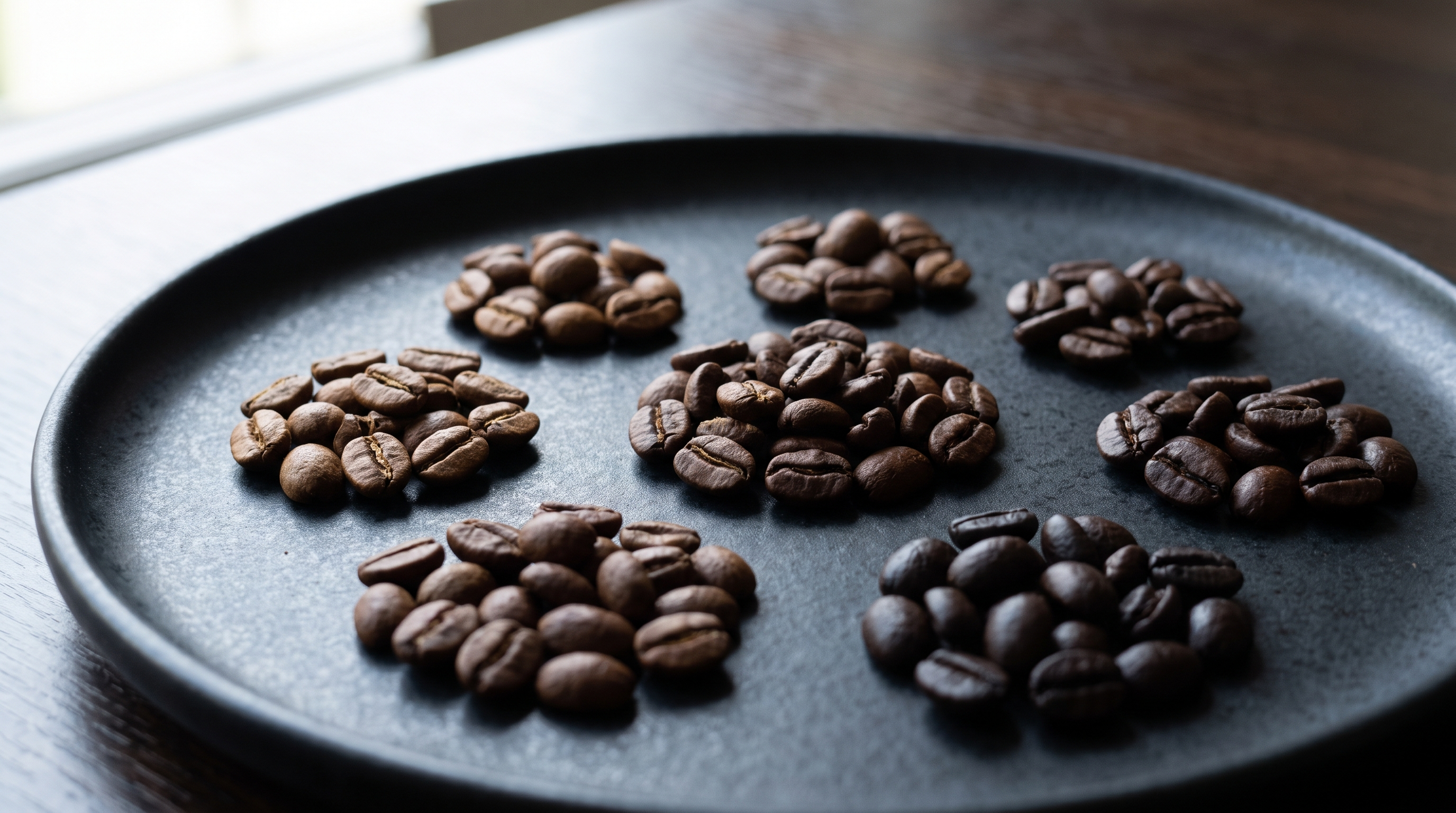
A new bean does not arrive at Ember because a catalogue looked good. Someone from the bar has usually already been to the farm, or at least to the mill, and tasted the lot before we buy a sack.
That is slower than ordering from a list. It is also why the board stays short on surprises that do not belong there.
Two cups, then the bar
Every new lot is cupped twice. The first pass is for faults: ferment that went too far, a roast that flattened the origin, something that will not survive milk. The second is for character — whether the coffee actually has something to say on our menu of forty-plus drinks.
If it passes, it still has to survive the bar. Made and the rest of the team pull it as espresso, as filter, sometimes as a milk drink, and we only add it when nobody is making excuses for the cup.
What we will not put on the board
Pretty packaging is not a reason. Neither is a story that the coffee cannot back up. We would rather keep a familiar Kintamani on the menu than replace it with a louder name that drinks thin.
When a lot does make it, you will see it on the board with origin and process — washed, natural, wet-hulled — so you can order for taste, not for fashion.